Hi, what do you want to do?






University of Florida
Florida Museum of Natural History: About the Florida Everglades
Everything you always wanted to know about the Everglades! The Florida Museum of Natural History offers great photos and good information on the many habitat types to be found there.

American Museum of Natural History
American Museum of Natural History: Amnh Expeditions
Learn about the adventurous and educational travel programs of the American Museum of Natural History, which arranges explorations of the world in the company of museum scientists, educators and curators.

University of Florida
Florida Museum of Natural History: Great Hammerhead
The Florida Museum of Natural History presents an in-depth look at the great hammerhead. Learn about the taxonomy, common names, geographical distribution, conservation, habitat, food habits, reproduction, importance and danger to...

University of Florida
Florida Museum of Natural History: Longsnout Seahorse
The Florida Museum of Natural History presents an in-depth look at the longsnout seahorse, an important species in the aquarium trade. Learn about the taxonomy, common names, geographical distribution, conservation, habitat, features,...

University of Florida
Florida Museum of Natural History: Blue Shark
The Florida Museum of Natural History presents an in-depth look at the blue shark, named for its distinctive blue color. Learn about the taxonomy, common names, geographical distribution, conservation, habitat, food habits, reproduction,...

University of Florida
Florida Museum of Natural History: Tiger Shark
The Florida Museum of Natural History presents an in-depth look at the tiger shark, named for its distinctive color pattern. Learn about the taxonomy, common names, geographical distribution, conservation, habitat, food habits,...

University of Florida
Florida Museum of Natural History: Bull Shark
The Florida Museum of Natural History presents an in-depth look at the bull shark that are found in both salt and fresh water. Learn about the taxonomy, common names, geographical distribution, conservation, habitat, food habits,...

University of Florida
Florida Museum of Natural History: Whale Shark
The Florida Museum of Natural History presents an in-depth look at whale sharks, the largest fish in the sea. Learn about the taxonomy, common names, geographical distribution, conservation, habitat, food habits, reproduction, importance...

University of Florida
Florida Museum of Natural History: Basking Shark
The Florida Museum of Natural History presents an in-depth look at the basking shark, the second largest fish. Learn about the taxonomy, common names, geographical distribution, conservation, habitat, features, food habits, reproduction,...
Smithsonian Institution
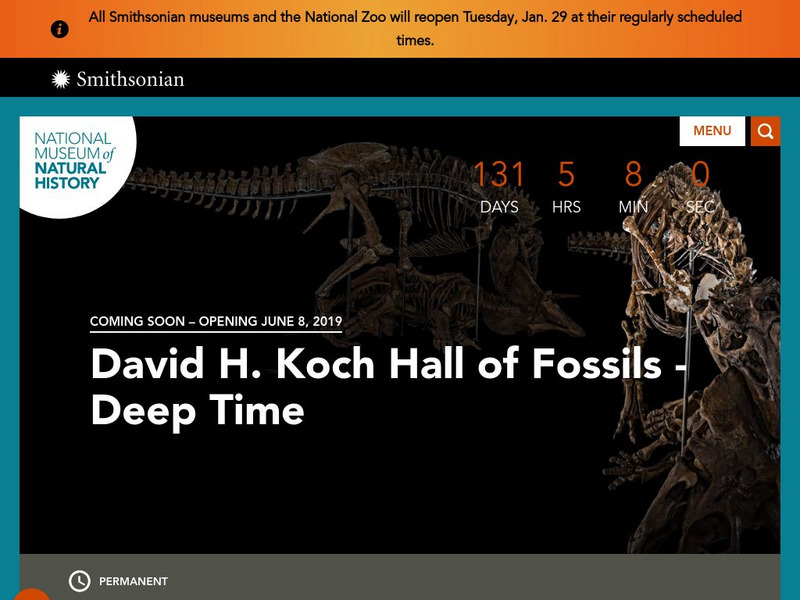
National Museum of Natural History: David H. Koch Hall of Fossils: Deep Time
The Smithsonian Institution provides a virtual tour of the new "Deep Time" exhibit at the National Museum of Natural History.
Smithsonian Institution
National Museum of Natural History: American Mammals: Hooded Skunk
The Smithsonian National Museum of Natural History, in a section titled "North American Mammals," offers a general overview of the hooded skunk. Content includes detailed drawings, photographs, specimens, and a map showing the skunk's...

University of Florida
Florida Museum of Natural History: Pterois Volitans: Red Lionfish
The Florida Museum of Natural History presents this informative article on the Red Lionfish which is native to reef habitats of the Indo-Pacific. General information including photographs and a habitat map.
Smithsonian Institution
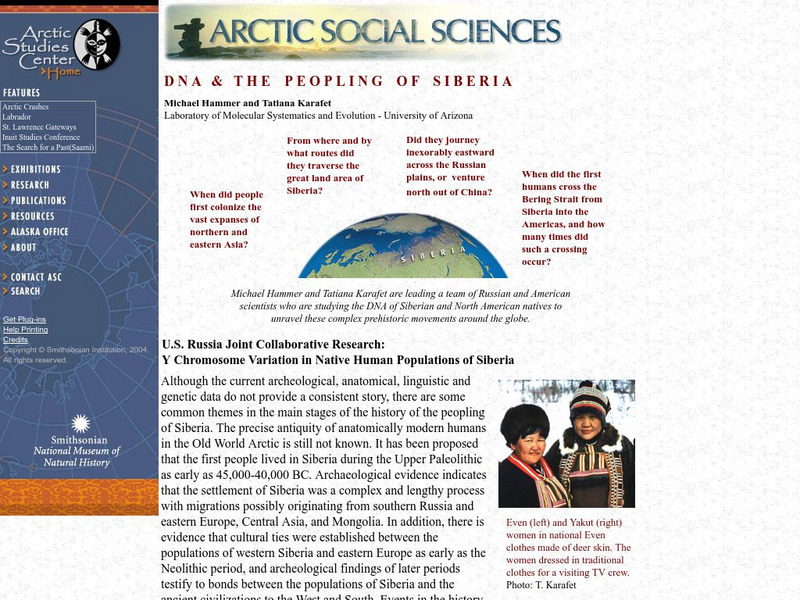
National Museum of Natural History: Arctic Science: Dna and the Peopling of Siberia
Scientists from the University of Arizona are conducting Y chromosome research on native Siberians to try to determine whether there is a genetic affinity to North American native people. The rationale and direction of this research are...
American Museum of Natural History
American Museum of Natural History: Five Tools and Processes for Translating the Ngss Into Instruction and Classroom
The Five Tools and Processes for Translating the NGSS are designed to help professional development leaders work with teachers on curriculum, instruction, and assessment as they achieve this vision. Click the link for each tool for an...
Smithsonian Institution
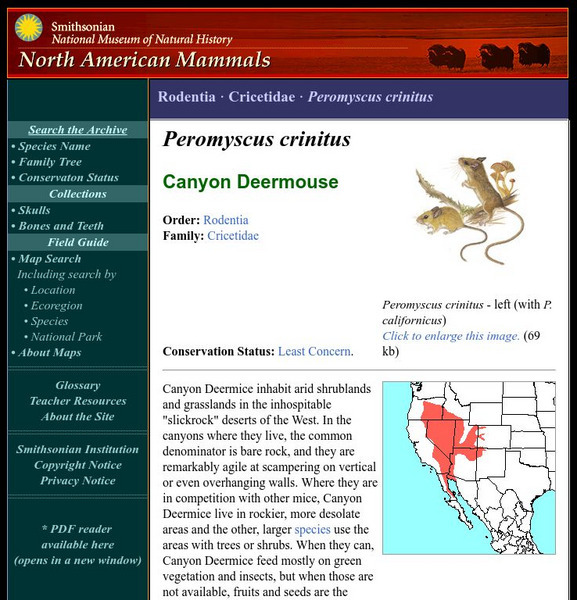
National Museum of Natural History: American Mammals: Canyon Deermouse
Canyon Deermice inhabit arid shrublands and grasslands in the inhospitable "slickrock" deserts of the West. In the canyons where they live, the common denominator is bare rock, and they are remarkably agile at scampering on vertical or...
Smithsonian Institution
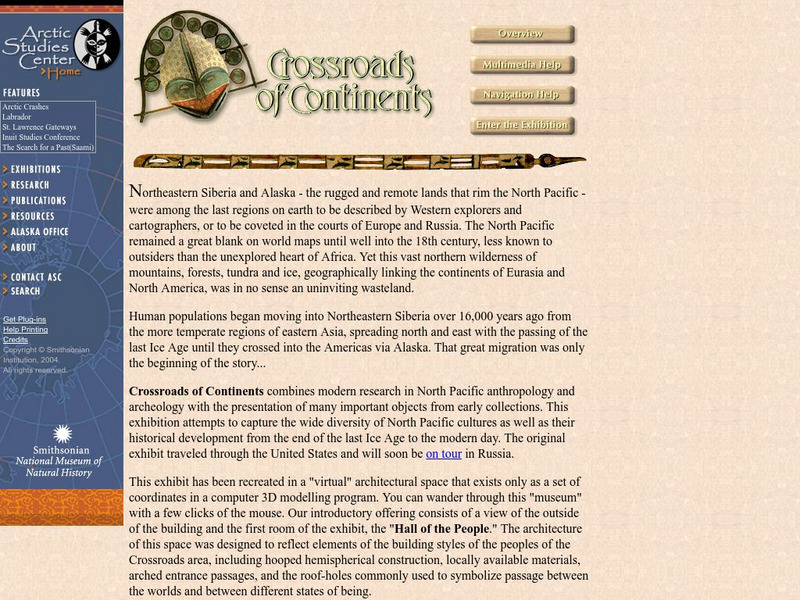
National Museum of Natural History: Crossroads of Continents
Very interesting Smithsonian web exhibition on the culture of the peoples surrounding the Bering Strait. Enter the museum to find lost cultures due to the Cold War. Fun museum to click around in!
Smithsonian Institution
National Museum of Natural History: Old Goats in Transition
Read about pre-historic animal domestication, something that that has been studied rigorously by scientists, but not yet fully understood. The bottom half of this article focuses on goat domestication as it was practiced in southwestern...
Smithsonian Institution
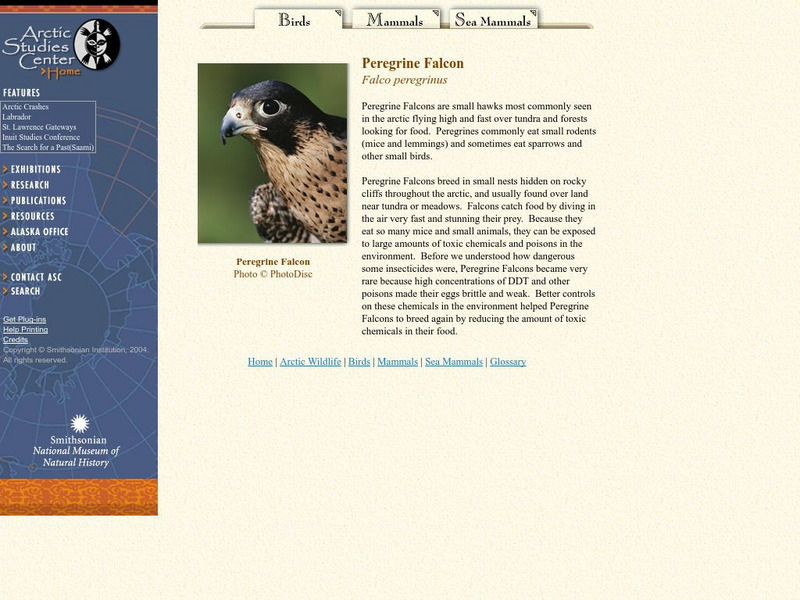
National Museum of Natural History: Arctic Studies Center: Peregrine Falcon
This Smithsonian website has a brief, but thorough, article on the Peregrine Falcon that also includes a picture.
Smithsonian Institution
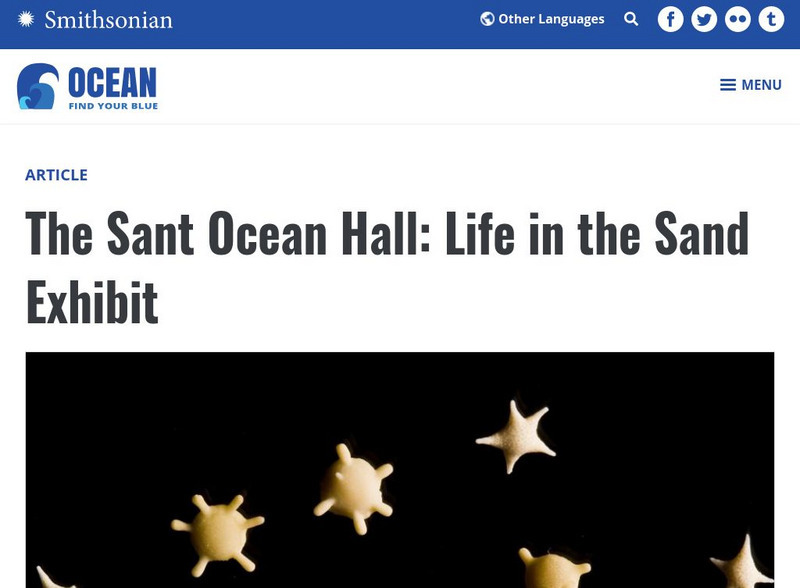
National Museum of Natural History: Ocean Portal: Life in the Sand
This article is the companion to the exhibit on Oceans at the Smithsonian. There is good information about sand, microscopic life in the sand, and problems that people cause on our beaches.
American Museum of Natural History
American Museum of Natural History: What Do You Know About the Universe?
Test your knowledge about the Universe with this quiz.
University of Florida
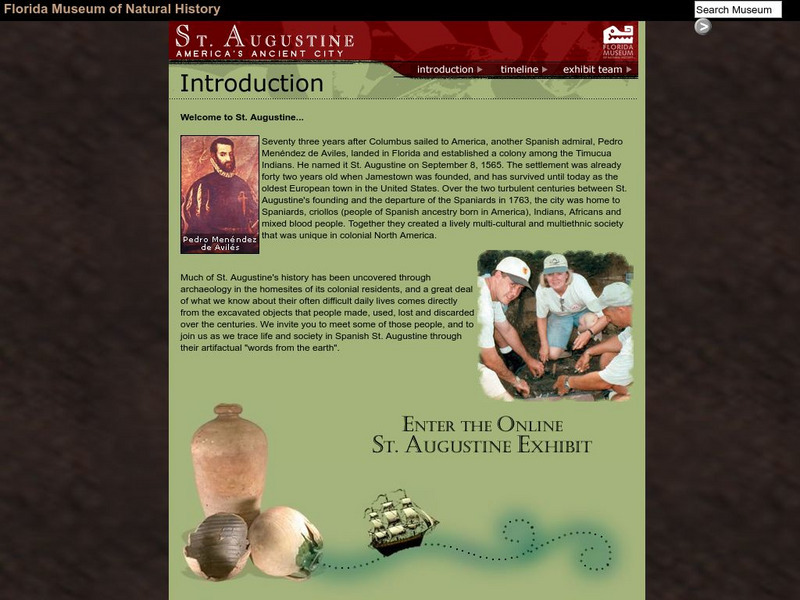
Florida Museum of Natural History: St. Augustine on Line Exhibition
A fine exhibit presenting the history of St. Augustine from its founding by the Spanish to an interactive timeline of events and people dating from earliest times to the present. Highly informative!

University of Florida
South Florida Aquatic Environments: Florida Keys: About the Keys
The Florida Museum of Natural History offers an excellent review of the reefs, mangrove and seagrass habitats of the Florida Keys. Spend some time learning about this unique location.
Metropolitan Museum of Art
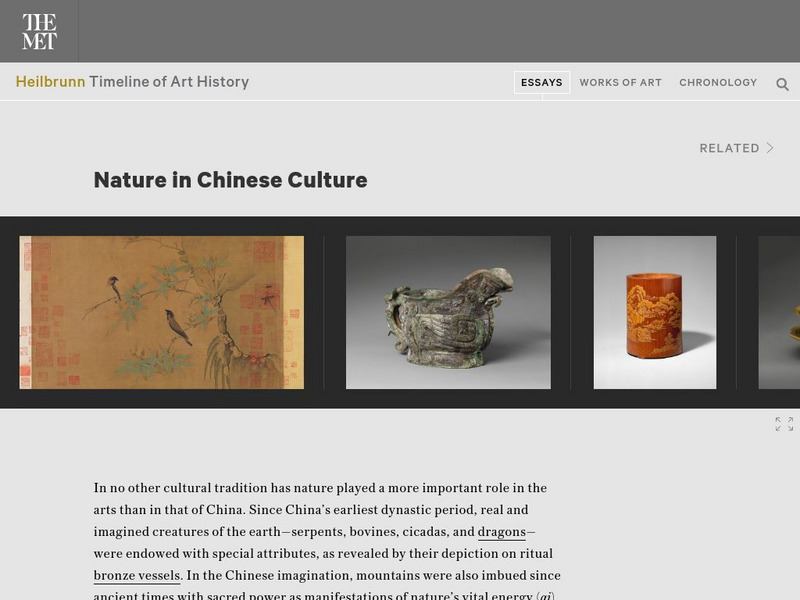
Metropolitan Museum of Art: Nature in Chinese Art
The Metropolitan Museum of Art provides this informative page on the importance of Nature in Chinese Art. With information and pictures this in a nice resource for study.
Smithsonian Institution
National Museum of Natural History: Hall of Mammals: Caribou
Brief overview of the caribou and an accompanying photo illustrate the physical adaptations that allow this animal to migrate to find its food supply.