Hi, what do you want to do?






University of Florida
Florida Museum of Natural History: Great Hammerhead
The Florida Museum of Natural History presents an in-depth look at the great hammerhead. Learn about the taxonomy, common names, geographical distribution, conservation, habitat, food habits, reproduction, importance and danger to...

University of Florida
Florida Museum of Natural History: Longsnout Seahorse
The Florida Museum of Natural History presents an in-depth look at the longsnout seahorse, an important species in the aquarium trade. Learn about the taxonomy, common names, geographical distribution, conservation, habitat, features,...

University of Florida
Florida Museum of Natural History: Blue Shark
The Florida Museum of Natural History presents an in-depth look at the blue shark, named for its distinctive blue color. Learn about the taxonomy, common names, geographical distribution, conservation, habitat, food habits, reproduction,...

University of Florida
Florida Museum of Natural History: Tiger Shark
The Florida Museum of Natural History presents an in-depth look at the tiger shark, named for its distinctive color pattern. Learn about the taxonomy, common names, geographical distribution, conservation, habitat, food habits,...

University of Florida
Florida Museum of Natural History: Bull Shark
The Florida Museum of Natural History presents an in-depth look at the bull shark that are found in both salt and fresh water. Learn about the taxonomy, common names, geographical distribution, conservation, habitat, food habits,...

University of Florida
Florida Museum of Natural History: Nurse Shark
The Florida Museum of Natural History presents an in-depth look at the nurse shark, nocturnal bottom-dwelling sharks. Learn about the taxonomy, common names, geographical distribution, conservation, habitat, food habits, reproduction,...

University of Florida
Florida Museum of Natural History: Whale Shark
The Florida Museum of Natural History presents an in-depth look at whale sharks, the largest fish in the sea. Learn about the taxonomy, common names, geographical distribution, conservation, habitat, food habits, reproduction, importance...

University of Florida
Florida Museum of Natural History: Basking Shark
The Florida Museum of Natural History presents an in-depth look at the basking shark, the second largest fish. Learn about the taxonomy, common names, geographical distribution, conservation, habitat, features, food habits, reproduction,...

University of Florida
Florida Museum of Natural History: Orange Clownfish
The Florida Museum of Natural History presents an in-depth look at orange clownfish, small reef fish. Learn about the taxonomy, common names, geographical distribution, conservation, habitat, food habits, reproduction, importance to...

University of Florida
Florida Museum of Natural History: Queen Angelfish
The Florida Museum of Natural History presents an in-depth look at the queen angelfish. Learn about the taxonomy, common names, geographical distribution, conservation, habitat, food habits, reproduction, importance to humans, and more.
Smithsonian Institution
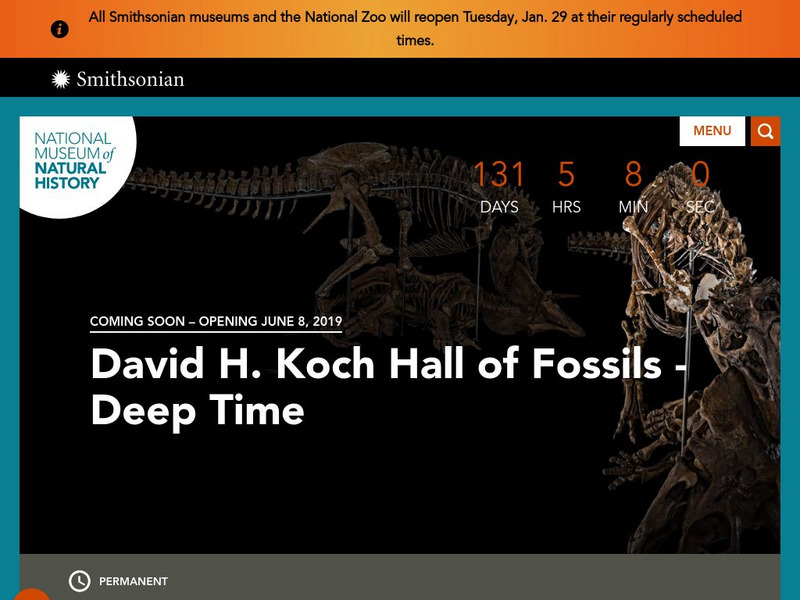
National Museum of Natural History: David H. Koch Hall of Fossils: Deep Time
The Smithsonian Institution provides a virtual tour of the new "Deep Time" exhibit at the National Museum of Natural History.
Carnegie Museum of Natural History
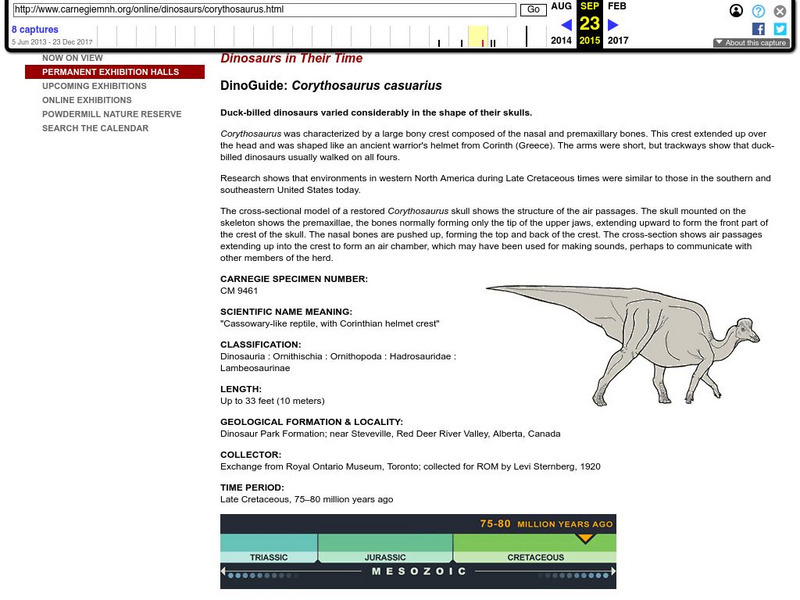
Carnegie Museum of Natural History: Carnegie's Dinosaurs: Dino Guide: Corythosaur
Study a Corythosaurus up close with this concise resource from the Carnegie Museum of Natural History.

Smithsonian Institution
National Museum of Natural History: American Mammals: Hooded Skunk
The Smithsonian National Museum of Natural History, in a section titled "North American Mammals," offers a general overview of the hooded skunk. Content includes detailed drawings, photographs, specimens, and a map showing the skunk's...

University of Florida
Florida Museum of Natural History: Pterois Volitans: Red Lionfish
The Florida Museum of Natural History presents this informative article on the Red Lionfish which is native to reef habitats of the Indo-Pacific. General information including photographs and a habitat map.
Carnegie Museum of Natural History
Carnegie Museum of Natural History: Needle to the North
Online exhibit explores Arctic expeditions of the twentieth-century via the photos and field notes of researchers who experienced the "alien landscape rife with cold, darkness, and isolation."

University of Florida
Florida Museum of Natural History: Plant Life
This teacher's guide focuses on the fascinating world of plants. Through books and other print materials, and exploration of actual plants, children will identify plants as living things, examine the parts of plants, experiment with what...

University of Florida
Florida Museum of Natural History: Sphyraena Barracuda: Great Barracuda
Very detailed information about the Great Barracuda. Get the taxonomy, common names, geographical distribution, habitat, features, food habits, reproduction, predators, importance to humans, and more.
American Museum of Natural History
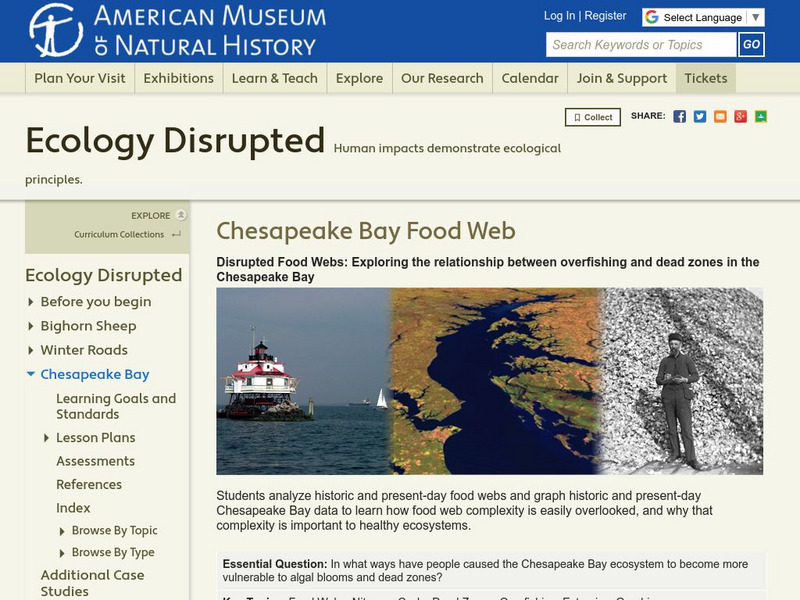
American Museum of Natural History: Ecology Disrupted: Chesapeake Bay Food Web
In this comprehensive lesson unit, students examine how overfishing has affected Chesapeake Bay's ecosystem. They will study food webs from the past and present and graph related data.
American Museum of Natural History
American Museum of Natural History: Make Your Own Mythic Mask or Puppet
Create your own masks and puppets and bring the mythic creatures to life.
American Museum of Natural History
American Museum of Natural History: Optical Illusions and How They Work
What you see and what you think you see are different things. Find out what your brain doing behind-the-scenes!
American Museum of Natural History
American Museum of Natural History: Five Tools and Processes for Translating the Ngss Into Instruction and Classroom
The Five Tools and Processes for Translating the NGSS are designed to help professional development leaders work with teachers on curriculum, instruction, and assessment as they achieve this vision. Click the link for each tool for an...
Smithsonian Institution
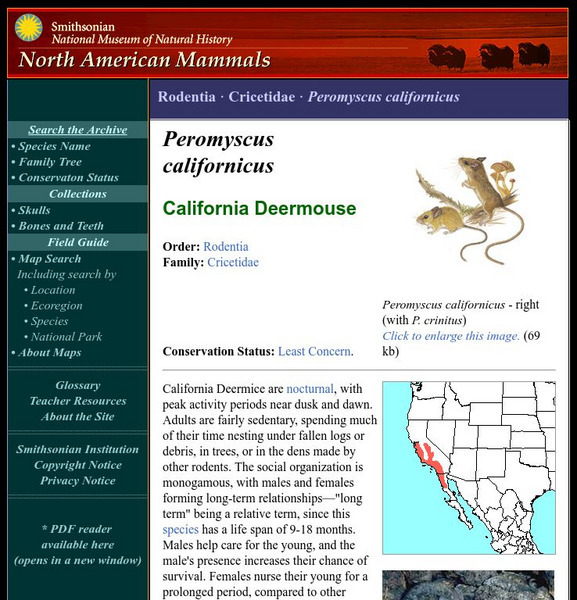
National Museum of Natural History: American Mammals: California Deermouse
California Deermice are nocturnal, with peak activity periods near dusk and dawn. Adults are fairly sedentary, spending much of their time nesting under fallen logs or debris, in trees, or in the dens made by other rodents. Learn more...
Smithsonian Institution
National Museum of Natural History: Crossroads of Continents
Very interesting Smithsonian web exhibition on the culture of the peoples surrounding the Bering Strait. Enter the museum to find lost cultures due to the Cold War. Fun museum to click around in!
American Museum of Natural History
American Museum of Natural History: Inca Investigation
Be an archaeologist and examine maps and ancient artifacts relating to the Inca empire.