Hi, what do you want to do?





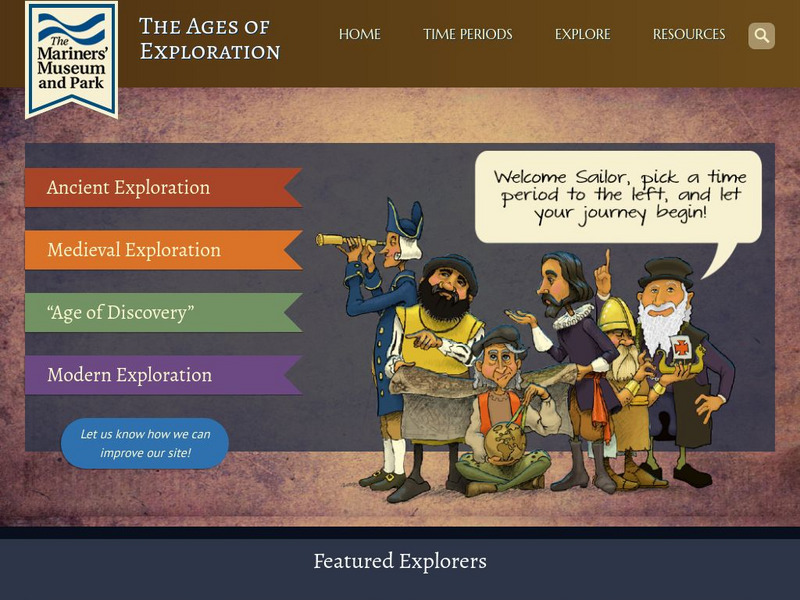
Mariners' Museum and Park
Age of Exploration: Changing View of the World: The Development of Map Making
Read a summary of the history of map-making and the maps that were produced as a result of European exploration in the Americas. See examples of these maps and find out more about each one in this exhibit from the Mariners' Museum.
The Newberry Library
Newberry: Shakespeare's the Tempest and Utopias of the European Renaissance
Newberry Library learning module uses primary source material of Shakespeare in a lesson on how Renaissance writers and artists portrayed European exploration of America. Students read excerpts from works of Renaissance literature to...
The British Museum
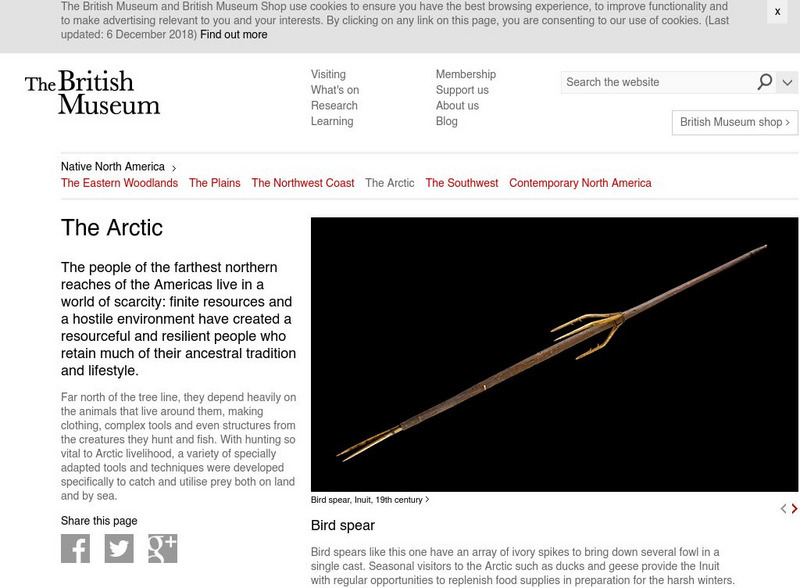
British Museum: Explore World Cultures: Arctic Peoples of North America
Learn about the art of the native Americans of the Arctic region in this overview of their art with a selection of relevant objects each with it's own detailed object description.

Other
Eldritch Press: Cabeza De Vaca's Adventures in the Unknown Interior of America
Read this fascinating account by Alvar Nunez Cabeza de Vaca, one of four survivors who traversed Florida and the Southwest for eight years, from 1529-1537.Read the preface which gives a background to this narrative before delving into...
National Humanities Center
National Humanities Center: Toolbox Library: The European Presence in North America 1492 1690
Primary source material on European presence in North America between 1492 and 1690 covers the topics of contact, exploration, settlement, permanence, and power. Includes notes and discussion questions.
The British Museum
British Museum: Explore World Cultures: Maya
Learn about the art of the ancient Maya of central America and the Yucatan penincula in this overview and image gallery with individual artwork descriptions.
PBS
Pbs Learning Media: The Abolitionist Map of America
Through an interactive map, tours, documents, images, and videos, explore the account of the abolitionist movement in America.
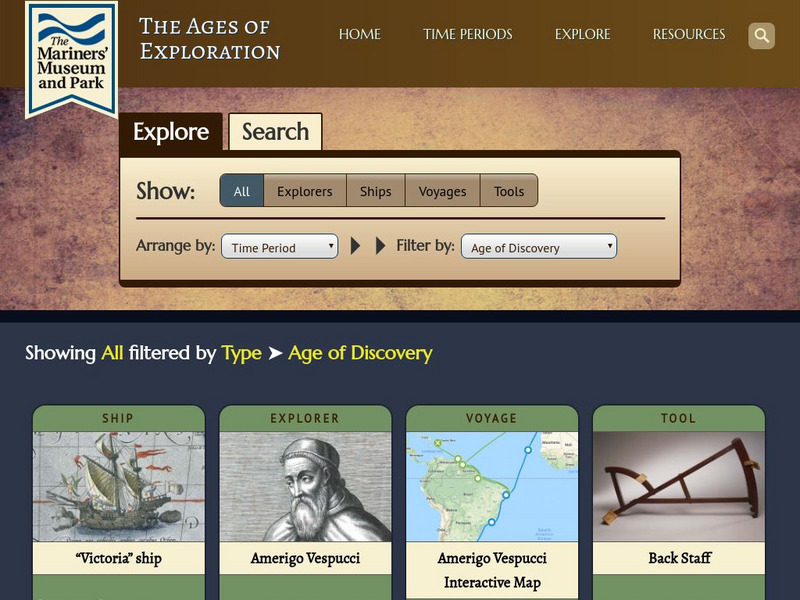
Mariners' Museum and Park
Mariners' Museum: The Ages of Exploration: Age of Discovery
This Age of Discovery page presents naval artifacts and explorers of the 15th century to the early 17th century. It looks at European explorers who journeyed to North and South America, the search for the Northwest Passage, and...
National Gallery of Art
National Gallery of Art: Little House in the Valley
Students will explore nineteenth-century life in the White Mountains of New Hampshire through a tale of a family who lived there by analyzing a painting by Thomas Cole and reading a short story by Nathaniel Hawthorne.
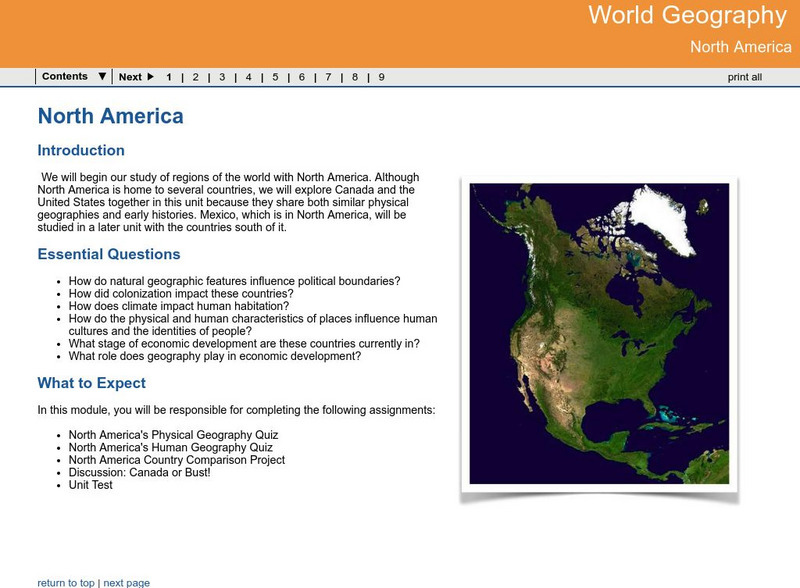
Georgia Department of Education
Ga Virtual Learning: World Geog: North America: The United States and Canada
World Geography learning module on the United States and Canada explores similarities and differences in the population, climate, resources and evolution of the two countries.
Other
Object of History: Guide to Doing History With Objects
Explore the dimensions of America's rich history by taking a detailed look at objects from our past. Examine stories, important moments, and the evolution of the American people via primary documents, photos, and other artifacts.
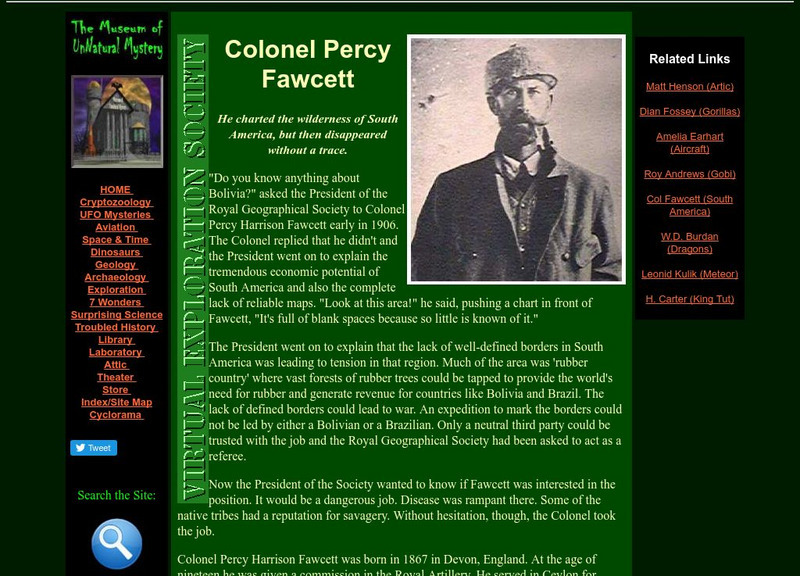
Other
Museum of Unnatural History: Virtual Exploration Society: Colonel Percy Fawcett
Read about the exciting adventures of Col. Percy Fawcett as he mapped the jungles of South America in the early 20th century.
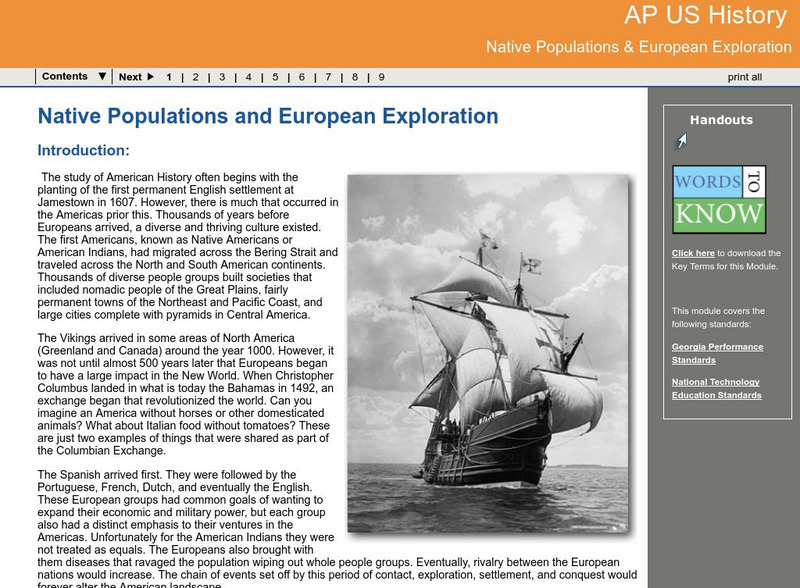
Georgia Department of Education
Ga Virtual Learning: Ap Us History: Native Populations & European Exploration
AP U.S. History learning module explores the encounter and interactions between European explorers and Native populations in America. Complete set of resources, interactive material, assignments and assessment.
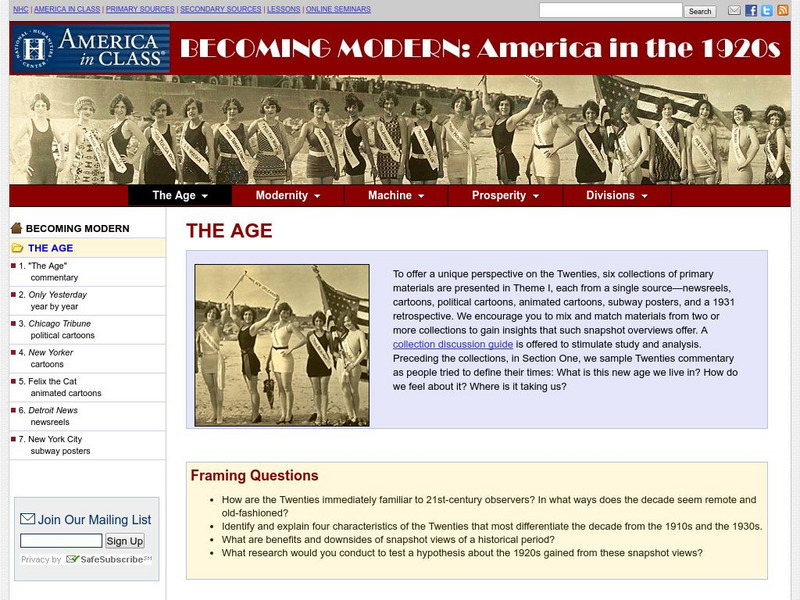
National Humanities Center
National Humanities Center: America in Class: Becoming Modern: America in the 1920s: The Age
A collection of primary source material from the modern age, explores the 1920s and how it relates to today. Section includes introductory notes, classroom discussion questions, and supplemental links to related resources.
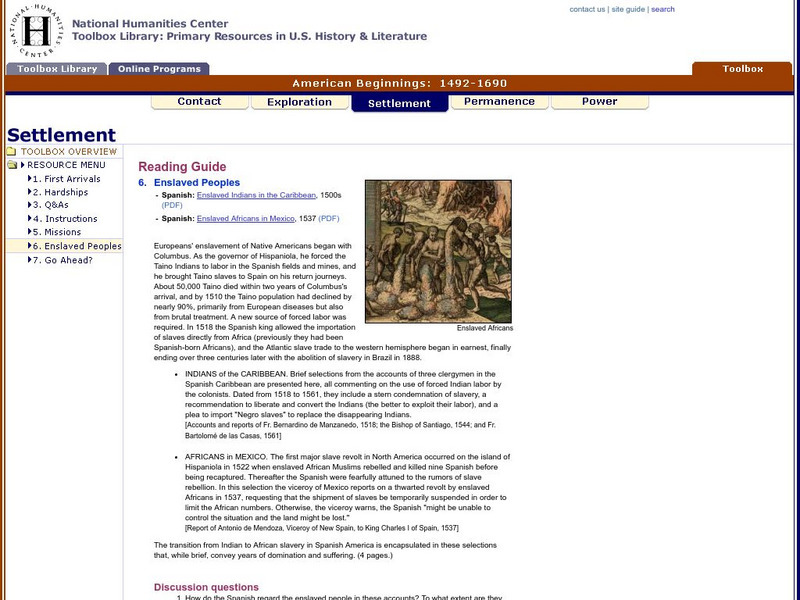
National Humanities Center
National Humanities Center: Toolbox Library: Enslaved Peoples, American Beginnings: 1492 1690
Two Spanish accounts of enslaved Indians in the Caribbean and enslaved Africans in Mexico and statements of the difficulty of maintaining slavery and the lurking threat of a slave revolt.
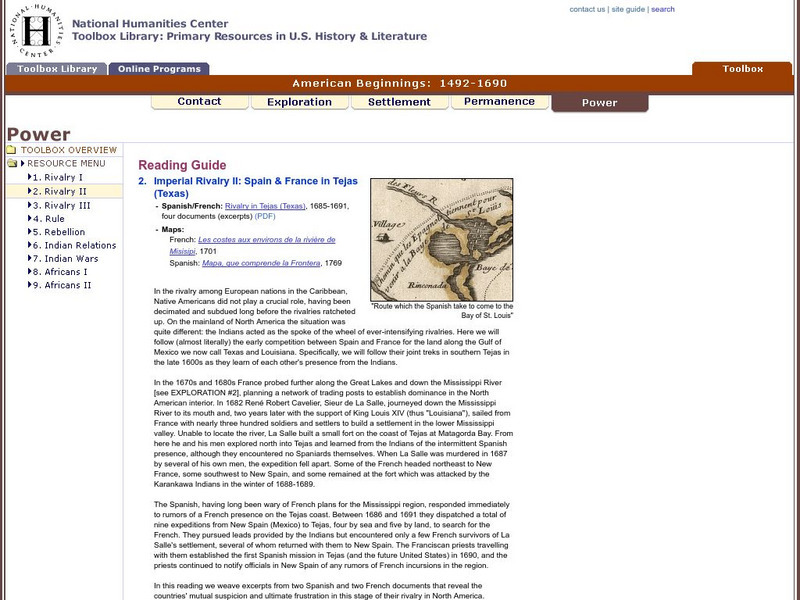
National Humanities Center
National Humanities Center: Toolbox Library: Rivalry Ii, American Beginnings: 1492 1690
Two eighteenth-century maps and four accounts of the mutual perceptions, suspicions, and observations between Spanish and French explorers on the Gulf Coast.
PBS
Pbs: The Lowdown: u.s. Gun Homicides: Visualizing the Numbers
Explore firearm deaths in the United States in 2010 by type, race, and age group in this interactive from KQED. In the accompanying classroom activity, students are presented with a simple question: Is America a safe place to live? In...
National Humanities Center
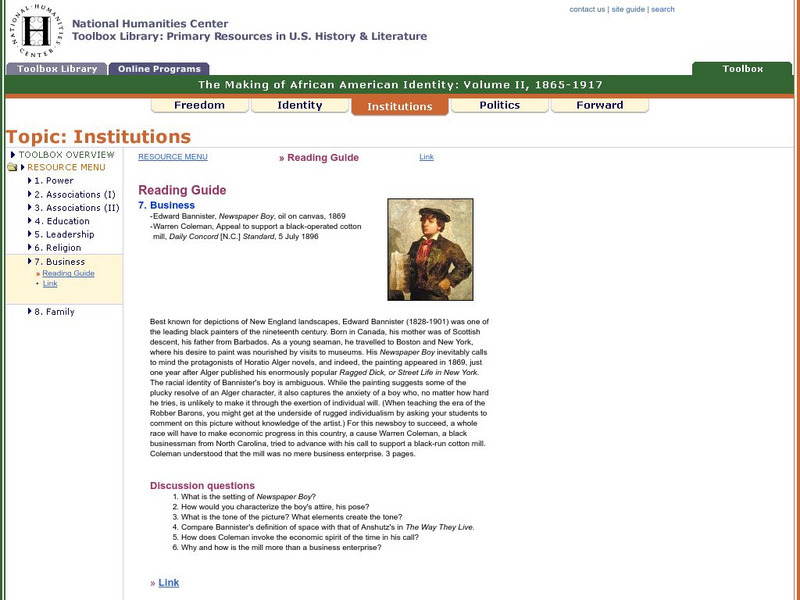
National Humanities Center: Toolbox Library: Business, Making of African American Identity: V. 2
A painting and an appeal that explore the role business played in black uplift in nineteenth-century America. This resource focuses on the work of Edward Bannister (1828-1901), one of the leading black painters of the nineteenth century.
British Library
British Library: The Search for the Northwest Passage
Detailed third grade lessons help students understand what skills and knowledge were required in order to become an explorer. Includes specific lessons on John Cabot, Jacques Cartier, and Henry Hudson.
National Humanities Center
National Humanities Center: Toolbox Library: Slave Trade, American Beginnings: 1492 1690
A West African map and three accounts of the development of slave acquisition display the process and the brutality of the Atlantic slave trade.

Ducksters
Ducksters: Geography for Kids: South America
Explore the flags, maps, exports, natural resources, geography, and languages of South America on this site.

Annenberg Foundation
Annenberg Learner: Renaissance Explorers
Overview of the motives behind the exploration of the "new world" during the Renaissance. Discusses the trading that took place between the "new world" and Europe and various riches offered in Mexico and Latin America.
National Humanities Center
National Humanities Center: Toolbox Library: Atlantic Coast, American Beginnings: 1492 1690
Primary resources for U.S. history and literature offer a French and a Norse account of the earliest documented exploration on the Atlantic coast of North America and encounters with native peoples. Includes questions for discussion.
Library of Congress
Loc: 1492: An Ongoing Voyage
An exhibit by the Library of Congress supplies diverse facts on the famous 1492 voyage. The exhibition first examines the encounter between the European explorers and the native people. They explore five geographical areas: The Caribbean...